

Woven wood shades bring natural texture and softly filtered light to a room, but can they also help insulate your windows? The answer depends on how they’re configured. While natural woven materials aren’t designed to provide the same insulation as cellular shades, combining the two can create a window treatment that offers both organic style and improved comfort.
Hunter Douglas Provenance® Woven Wood Shades can be paired with an independent cellular shade behind the woven material. This dual-shade configuration adds an insulating layer at the window while giving homeowners greater control over light and privacy.
How Do Woven Wood Shades Become Energy Efficient?
Traditional woven wood shades are made from natural materials such as bamboo, reeds, grasses and wood. Their woven patterns create texture and allow varying amounts of daylight to filter into a room. However, the openness of the weave means the natural shade alone may offer limited insulation.
To improve thermal performance, compatible Provenance® Woven Wood Shades can include a secondary cellular honeycomb shade within the same headrail. The woven front shade provides the natural appearance, while the cellular shade can be lowered independently when additional insulation or light control is needed.

Why Does a Cellular Liner Improve Insulation?
Cellular shades feature a honeycomb construction that creates air pockets within the shade. These pockets help slow heat transfer through the window area, making cellular shades a popular choice for improving comfort during both warm and cold weather.
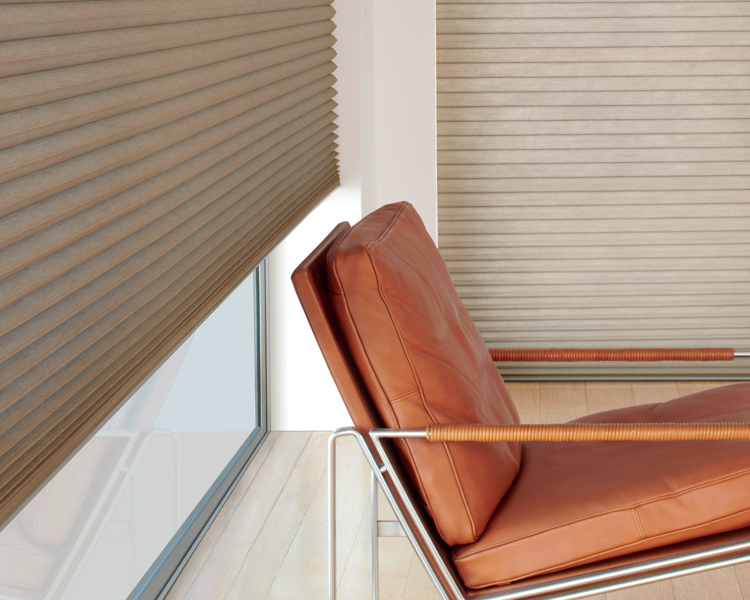
When paired with woven wood shades, the cellular layer provides an additional barrier between the window and the room. This can help reduce unwanted heat gain during sunny weather and limit heat loss during colder months.
The level of insulation depends on factors such as the cellular shade’s construction, the window itself and how the shade is installed. For a broader look at window coverings designed to manage indoor temperatures, explore our energy-efficient window treatments.
Two Shades for Light Control, Privacy and Comfort
One advantage of combining woven wood and cellular shades is the ability to use each layer for a different purpose. During the day, the natural woven shade can soften sunlight while showcasing its distinctive texture. When greater privacy, room darkening or insulation is needed, the secondary cellular shade can be lowered.

Depending on the selected configuration, the cellular shade may be available in light-filtering or room-darkening materials. This flexibility makes the combination especially useful for rooms where lighting and comfort needs change throughout the day.
Where Do Insulating Woven Wood Shades Work Best?
Woven wood shades with a cellular liner can be useful in rooms where homeowners want natural materials without sacrificing light control and comfort. The best location depends on your windows, sunlight exposure and how you use the space.
- Bedrooms: A room-darkening cellular layer can help reduce incoming light while providing additional insulation for a more comfortable sleeping environment.
- Living rooms: Natural woven textures create an inviting appearance, while the secondary shade can be lowered during periods of strong sunlight or colder weather.
- Home offices: Adjustable light control can help manage glare while maintaining the warm appearance of woven materials.
- Dining rooms: The combination offers natural texture for everyday use with additional privacy and comfort when needed.
In the Reno and Lake Tahoe region, where seasonal temperatures can vary considerably, having more control over sunlight and insulation can be especially useful.

Are Woven Wood Shades as Insulating as Cellular Shades?
Not on their own. Woven wood shades are primarily selected for their natural appearance, texture and light-filtering qualities. Cellular shades are specifically constructed with air pockets that help reduce heat transfer at the window. Adding an independent cellular shade behind woven woods combines the benefits of both styles. Homeowners can enjoy the natural appearance of woven shades while gaining the insulating performance of a cellular layer when it’s lowered.
For homeowners prioritizing energy efficiency above all else, a dedicated cellular shade may be worth considering. If natural texture is equally important, a woven wood and cellular combination offers another option.
Explore Provenance® Woven Wood Shades with Cellular Insulation
If you love the look of natural woven shades but want better insulation and more flexible light control, the dual-shade configuration is worth exploring. Our Provenance® Woven Wood Shades page explains the available natural materials, privacy liners, cellular insulation options and compatible operating systems.
At Blue Sky Shutters & Shades, we help homeowners compare window treatments during complimentary in-home consultations. Contact our team to explore energy-efficient woven wood shades and find the right combination of style, privacy and comfort for your home.
